The AISS consortium
Three universities, one international programme
AISS brings together Tallinn University in Estonia, Lusófona University in Portugal and Tampere University in Finland.
Each university contributes its own research culture, academic strengths and international community to the programme. The sections below introduce the three partner universities and the organisations that support the wider AISS network.
Estonia
Tallinn University
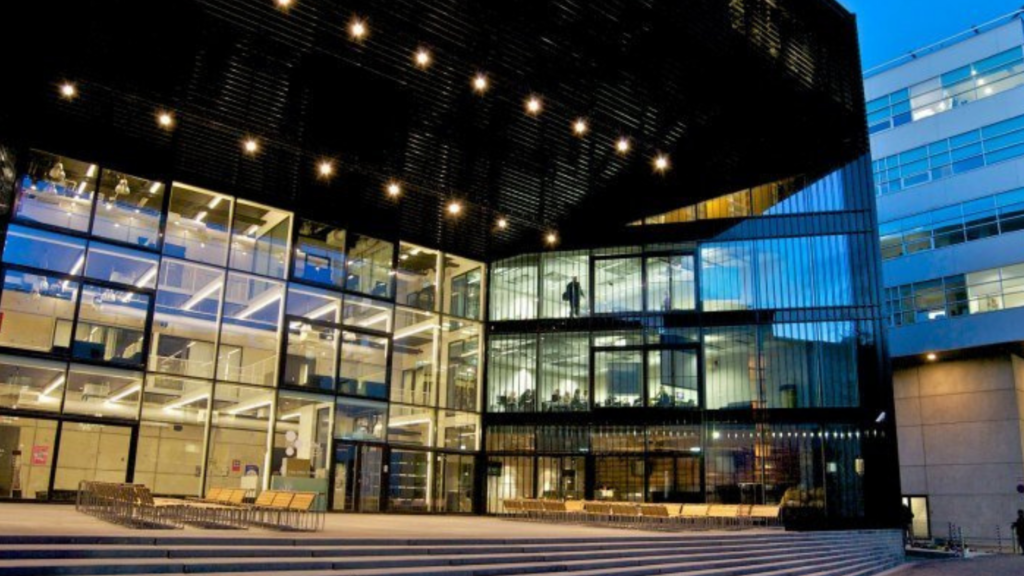
Tallinn University is a partner in 14 European Union regional programme projects and coordinates one of them, Learning Layers. It also participates in the EU Horizon 2020 framework programme as both a partner and a coordinator.
The university has agreements with 43 partner universities in 21 countries and more than 490 Erasmus+ partnership agreements. It is a member of four international networks of higher education institutions, and its researchers and lecturers actively contribute to their professional networks.
As a promoter of intelligent lifestyle, Tallinn University also values the cultural and social life of its community. It has a literary award for employees, lecturers and alumni; its symphony orchestra has been chosen as the Estonian Orchestra of the Year; and it is home to internationally recognised choirs, art groups and Estonian championship-level sports teams.
Finland
Tampere University
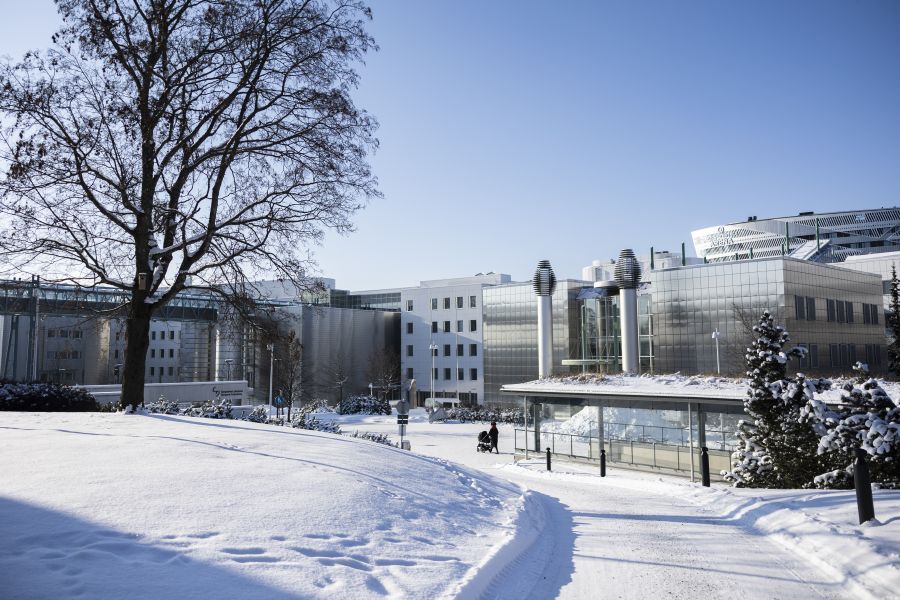
Tampere University is one of Finland’s most multidisciplinary universities, bringing together research and education in technology, health and society.
The university is known for excellence in teaching and research and collaborates with hundreds of universities and organisations worldwide. Its community includes 21,000 students and more than 4,000 staff members from over 80 countries.
Collaboration with partners is built on the university’s strengths, unique combinations of scientific disciplines and applied expertise.
Tampere University was created in 2019 through a merger between the University of Tampere and Tampere University of Technology. Almost all internationally recognised fields of study are represented across its seven faculties:
- Faculty of Built Environment
- Faculty of Education and Culture
- Faculty of Engineering and Natural Sciences
- Faculty of Information Technology and Communication Sciences
- Faculty of Management and Business
- Faculty of Medicine and Health Technology
- Faculty of Social Sciences
Portugal
Lusófona University
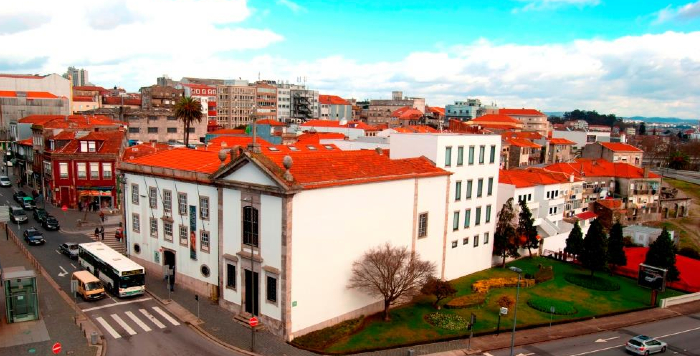
Lusófona University brings together the former Universidade Lusófona de Humanidades e Tecnologias and Universidade Lusófona – Porto in two university centres, in Lisbon and Porto.
From the beginning, its goals have been education and research across science, culture and technology from an interdisciplinary perspective, with particular attention to the development of Portuguese-speaking countries and peoples.
The history of Lusófona University began in 1998 with the merger of ISMAG — Higher Institute of Applied Mathematics and Management — and ISHT — Higher Institute of Humanities and Technologies. Both institutions had been founded in 1989 by COFAC. The subsequent purchase of the facilities of Universidade Moderna – Porto led to the creation of Lusófona University – Porto.
Lusófona University is Portugal’s largest private university. It is managed and developed by COFAC — Cooperativa de Formação e Animação Cultural, a not-for-profit educational entity based in Lisbon and the country’s largest not-for-profit educational organisation not funded by the state.
The university’s name comes from “Lusophony”, the term used for Portuguese-speaking countries and their shared linguistic and cultural background.
The Lisbon University Centre and Porto University Centre are located in the heart of their cities and are connected to the wider public transport network.
Lusófona University advocates equal opportunities. The source page reports a community of more than 16,900 students and 1,671 teaching staff across 15 faculties, schools and institutes.
The source page also reports 65 bachelor’s programmes, 70 master’s programmes, four integrated master’s programmes, eight Erasmus Mundus international master’s programmes, two professional master’s programmes, one distance-learning programme, 13 PhD programmes and a wide range of postgraduate, specialist training and micro-credential courses.
Its courses meet European higher education requirements, comply with the European Credit Transfer and Accumulation System (ECTS) and are accredited by A3ES, the organisation responsible for assessing and accrediting higher education in Portugal.
The university leads FilmEU — European University for Film and Media Arts — and participates in research projects under programmes including Horizon and Erasmus+. The source page reports more than 1,700 international students representing 84 nationalities.
The wider AISS network
Associated partners
AISS works with organisations whose experience connects the programme with sustainability, civic participation, local government and technology.
Biotoopia
The Estonian Anthropocene Center NPO was founded in 2020 by Kelli Turmann and Karin Kiigemägi. Together with specialists and partner organisations, it began the Biotoopia project with a five-year perspective: connecting creative practitioners and natural scientists to find new understandings and patterns for protecting and restoring the world’s biosphere. Biotoopia seeks to amplify the power of multispecies communities by changing patterns of thought and behaviour in support of a flourishing future for all.
Citizen OS
Citizen OS is a team of civic-technology professionals and expert partners working to improve democracy. Its mission is to empower people to participate in respectful, meaningful discussions so that communities can decide together on issues that affect their wellbeing.
Lääne-Harju municipality
Lääne-Harju parish is in the western part of Harju County, on the coast of north-west Estonia. The municipality has more than one hundred kilometres of coastline along the bays of Lohusalu, Lahepere, Pakri and Keibu and the Kurkse Strait. Lääne-Harju municipality was formed on 24 October 2017, following local government elections and the merger of Keila, Vasalemma and Padise municipalities with the city of Paldiski.
Inspirators!
Inspirators! was founded in 2021 as a technology company with a mission to provide smart, competitive solutions to industry. Co-founders Kristi and Allar brought experience in IT licensing and services and in developing industrial, financial and CAD solutions. The company is financed from its own capital and takes a practical approach to services and products designed around customer needs.
Support the programme
Your contribution can have a direct impact on shaping the future of sustainable AI technologies.
By supporting students in this programme, you are helping to create a generation of professionals who will lead the development of responsible and socially impactful AI solutions.
Benefits for Your Organisation
- Future workforce: Access to a talent pool of highly skilled, AI-savvy graduates.
- Part-time workers: Opportunity to offer part-time jobs to students, integrating their fresh perspectives into your projects.
- Mission-driven cooperation for socially impactful and ethical AI development: Gain recognition as a forward-thinking and socially responsible partner and align your brand with societal sustainability and technological innovation.
Ways to Support
We are seeking small grants or part-time job offers to support students financially through the programme:
- Student Grant: Provide a small grant of €500 per month, totalling €6,000 per year per student. This will allow them to focus fully on their studies while contributing to global AI solutions for sustainable development.
- Part-Time Job: Offer a part-time position to a student, allowing your organisation to benefit from their knowledge and innovative ideas while supporting their education.
Join us as a partner!
Your support will:
- Empower students from diverse backgrounds
- Advance sustainable development through AI
- Strengthen your organisation’s commitment to ethical innovation